Buying Your First Saxophone: Alto vs Tenor, and What to Look For
Alto or tenor? New, used or rented? A Musiprof teacher's guide to choosing a first saxophone, with student models our teachers trust and a Montreal used option.
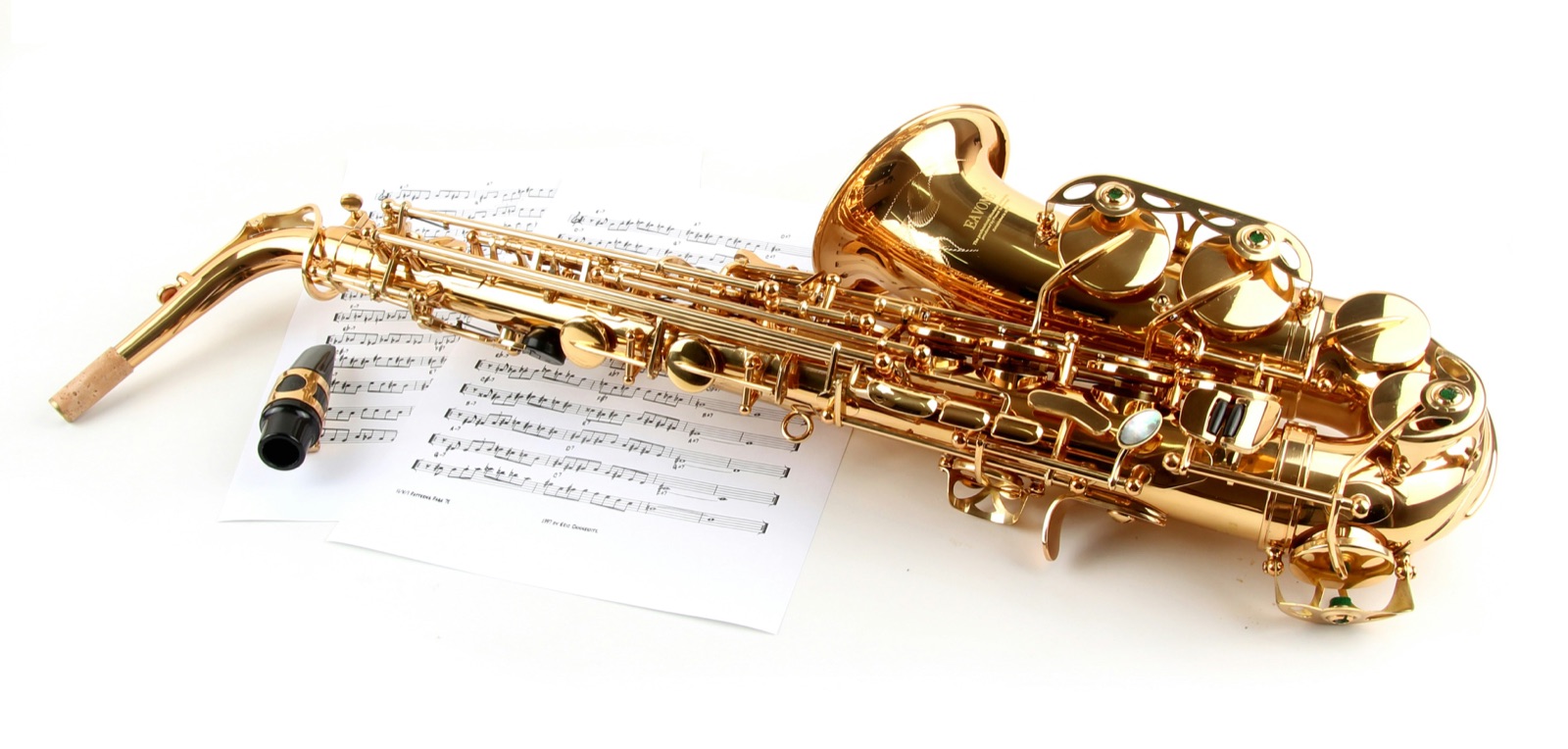
Few instruments turn heads like a saxophone — and few purchases feel as intimidating the first time. Student saxophones cost more than student guitars or keyboards, the alto-versus-tenor question confuses everyone, and the used market is full of both bargains and lemons.
Here's how I walk new students and parents through it, along with the models our teachers recommend.
Alto or tenor?
This is the first decision, and it's simpler than it looks. The main difference between the two is their range: the alto plays higher, brighter tones, while the tenor produces deeper, more resonant sounds.
- Alto — the standard beginner choice. It's smaller, lighter, and needs less air, which makes it the natural pick for kids, teens, and most adult beginners. Almost all beginner method books are written for alto.
- Tenor — for lovers of that deep, breathy sound. It's the voice of classic rock'n'roll and much of jazz. It's bigger and heavier, so it suits adults and bigger teens best — but if the tenor sound is what made you want to play, start on tenor. Motivation beats convention.
Soprano and baritone saxes exist too, but neither is a beginner instrument.
Student models our teachers recommend
Yamaha YAS-280 (alto) — around $1,700–2,000 CAD
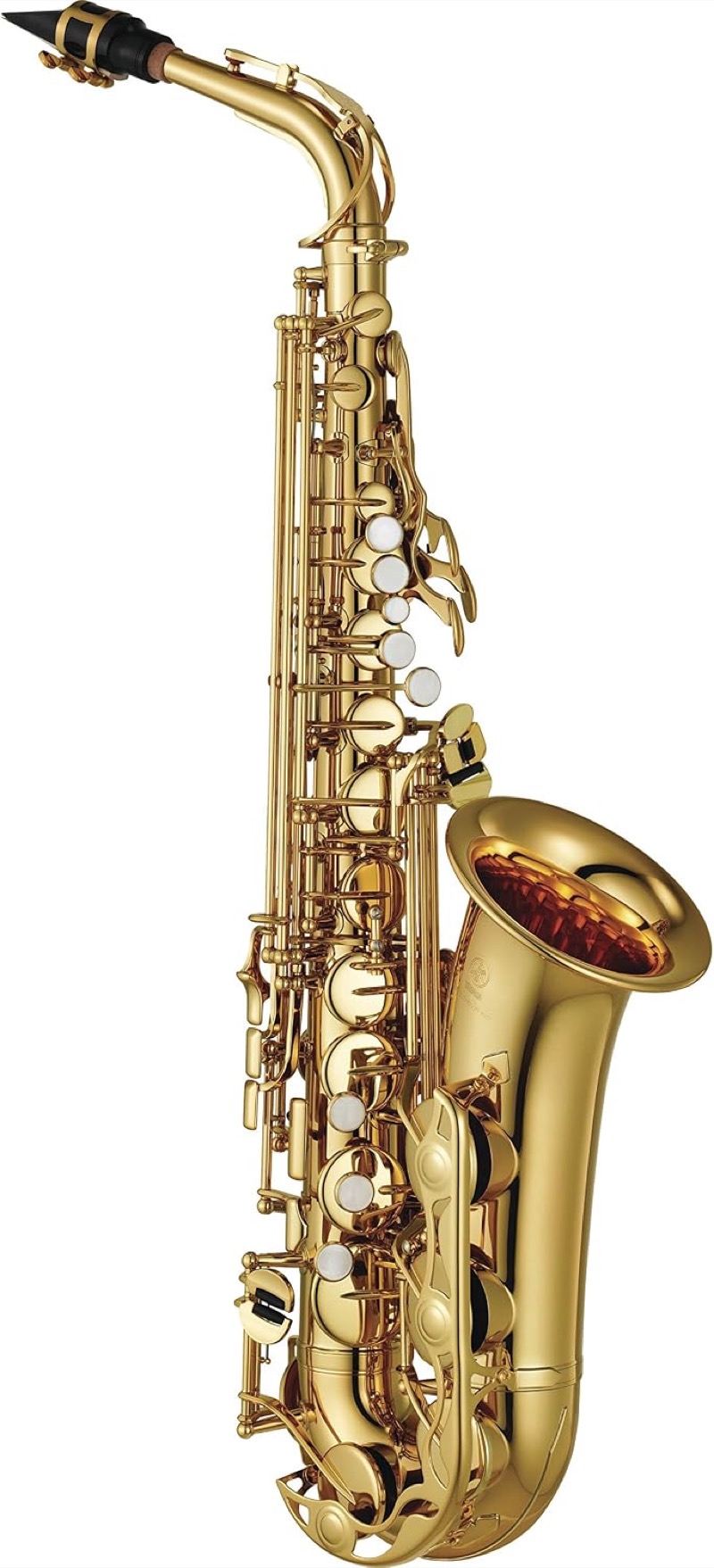
The gold standard for student saxophones. Precisely built, with a warm, clear tone and a high F# key for extended range, it's forgiving for beginners and good enough to carry a player well into intermediate years. If the budget allows, this is the "buy once, cry once" choice — Yamaha student horns also hold their resale value exceptionally well.
Sinclair STS2400 (tenor) — around $850–950 CAD
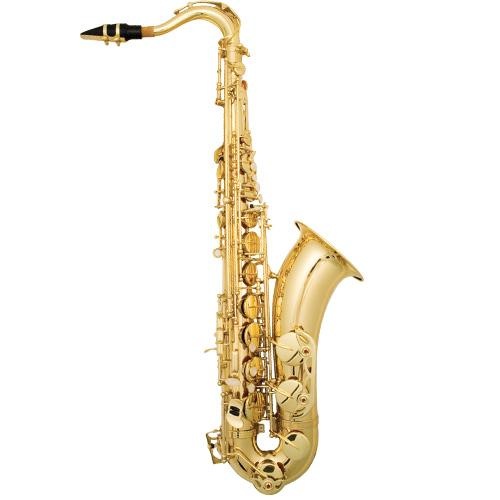
A beginner tenor that keeps things affordable without cutting the corners that matter. It comes complete with a lightweight case, a decent mouthpiece, and a comfortable neck strap — everything you need to start. Easy to play, sturdy, and a fraction of the price of the big-brand tenors.
Carrera Black (alto) — around $1,900–2,100 CAD
An intermediate-level alto with a body and keys made from 85% copper in a striking black finish, delivering a rich, warm timbre that suits a wide range of styles. It ships with a rigid backpack-style case and mouthpiece. A great pick for a student who wants an instrument with personality.
The used route — often the smart one
Here's a secret of the saxophone world: a well-maintained used student sax is one of the best deals in music. Saxophones are durable, and a used Yamaha or similar horn that's been checked over by a technician will play beautifully for years — often for under $1,000 CAD.
The key is buying from a shop that services what it sells, not from a random classified ad. In Montreal, Twigg Musique, a trusted wind-instrument shop in business since 1958, keeps a rotating selection of used saxophones that their own technicians have gone through (page en français ici).
Or rent first
Not sure the saxophone will stick? Renting is a perfectly good way to start — many Montreal shops, Twigg included, offer monthly instrument rentals, and some apply rental payments toward an eventual purchase. I usually suggest renting for three to six months, then buying (often used) once commitment is clear.
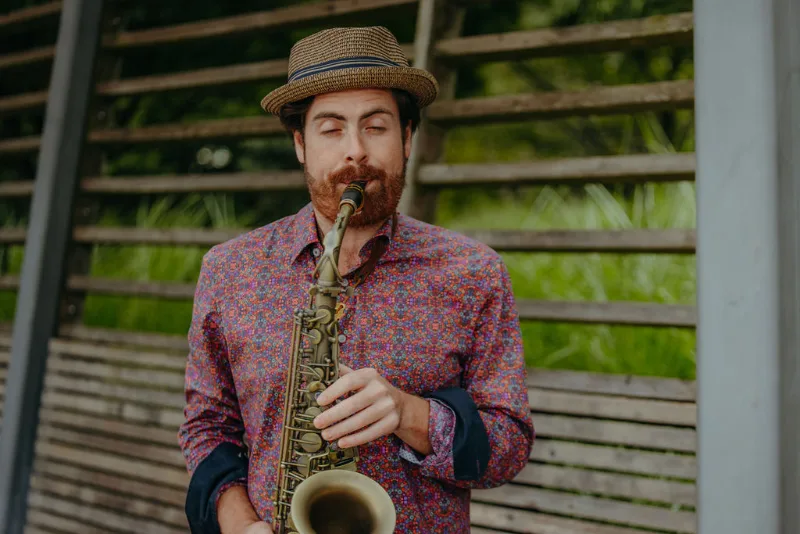
Top Saxophone teachers in Canada


Frequently asked questions
Should my 10-year-old start on alto or tenor?
Alto, almost always. It's lighter, needs less air, and fits smaller hands. The fingerings are identical on both, so switching to tenor later takes weeks, not years.
Is a used saxophone safe to buy for a beginner?
Yes — if it comes from a repair-shop-backed source that has replaced worn pads and checked the mechanism. Avoid untested horns from classified ads unless you can have a technician look at them first.
Should I rent or buy?
Rent if you're unsure about commitment (especially for kids); buy — often used — once you know it's sticking. Renting beyond a year usually costs more than a good used horn.
What reed strength should a beginner use?
Start on a 2 or 2.5. Softer reeds are easier to get a sound from; your teacher will move you up as your embouchure (mouth muscles) develops. Buy a box — beginners chip reeds constantly.
How much maintenance does a saxophone need?
Daily: swab it out after playing. Yearly: a check-up at a repair shop. Pads and corks wear like brake pads — regular servicing keeps a sax playable for decades.
If you'd like a second opinion before spending this kind of money, Musiprof's saxophone teachers are glad to advise on any specific instrument you're considering — reach out at musiprof.com.
Published on Musiprof