The Best Guitars for Kids: Sizing Guide and Teacher-Approved Picks by Age
What size guitar for a 5, 8 or 12-year-old? A Musiprof teacher's sizing chart plus nylon-string picks from Loog and Yamaha that kids actually stick with.
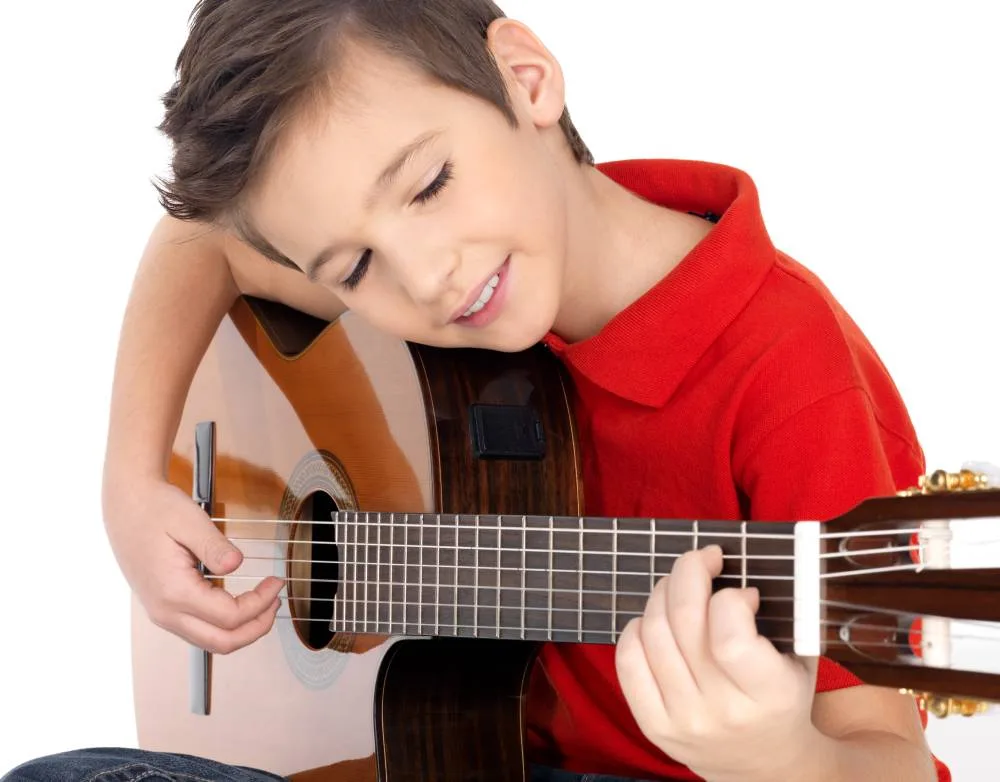
The fastest way to make a child give up guitar is to hand them the wrong guitar. Too big, and they can't reach around the body or stretch to the frets. Steel strings, and their fingers hurt before the first song. The good news: get the size and string type right, and kids progress remarkably fast.
Here's the sizing chart I use with my own students, followed by the specific instruments our teachers recommend at each age.
Guitar sizes by age
| Guitar size | Age range |
|---|---|
| 1/2 size | 4–8 years |
| 7/8 or 3/4 size | 8–11 years |
| Full size | 12 and up |
Two important notes on this chart:
- Electric guitars run small. A "full-size" electric has a slimmer body and neck than an acoustic, so electrics often work well for kids under 12.
- When in doubt, size down. A slightly small guitar is comfortable; a slightly big one is a fight.
Start with nylon strings
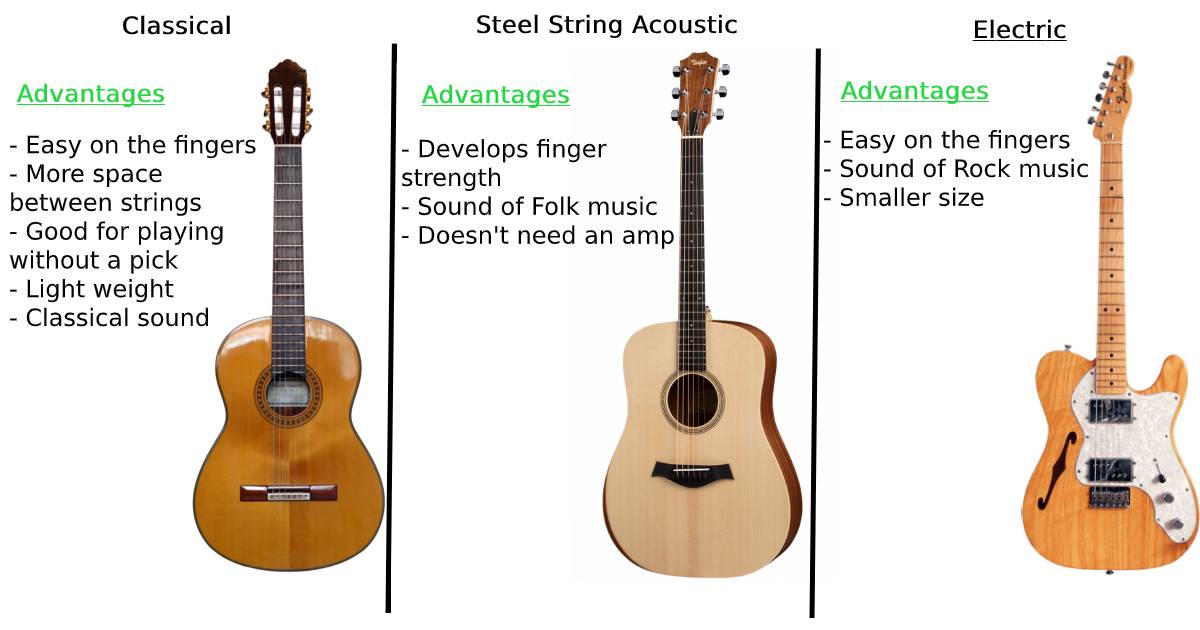
For complete beginners, I recommend a classical (nylon-string) guitar almost every time. Nylon strings are dramatically easier on soft fingertips than steel — which means more practice, less complaining, and a much lower quit rate. Steel-string acoustics and electrics can come later, once the fingers and the motivation are established.
Our picks by age
Loog Mini 3-String Guitar — around $180–220 CAD (ages 3–6)
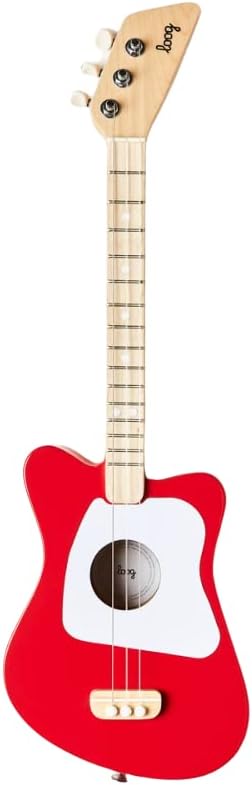
Don't let the three strings fool you — this is not a toy. Young kids genuinely struggle to isolate six strings; the Loog's simplified design lets them form real chord shapes and play real songs from day one, on a solid-wood body with nylon strings. It comes with learning materials, and everything learned on it transfers directly to a six-string later.
Yamaha CGS102A 1/2-Size Classical — around $170–200 CAD (ages 5–8)
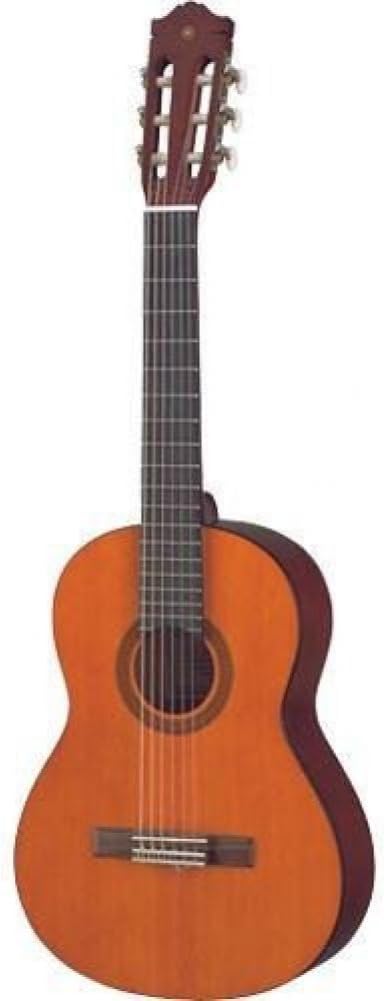
The classic first guitar. Unlike toy-store guitars, it actually holds its tuning and plays in tune up the fretboard — which matters enormously, because a child can't develop an ear on an instrument that's always out of tune. Nylon strings mean no sore fingers.
Yamaha CS40 7/8-Size Classical — around $180–220 CAD (ages 8–11)
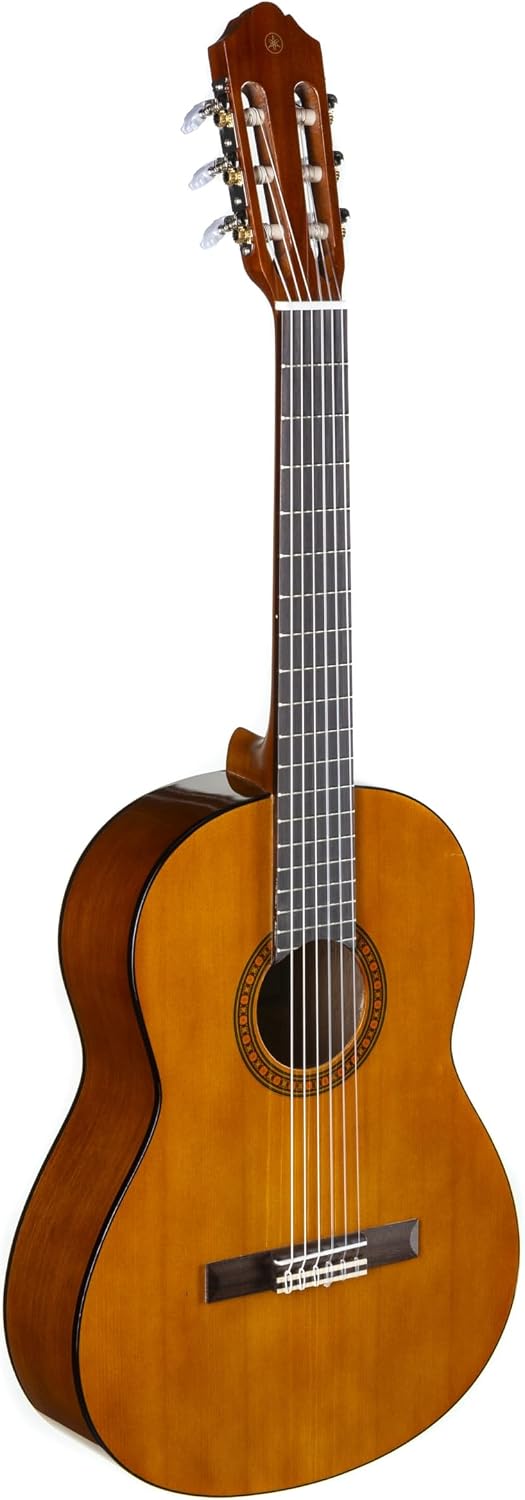
The same trusted Yamaha build, sized for the in-between years. Another solid option in this size range is the Beaver Creek 601 Series 3/4 classical (solid wood top, kid-friendly colours), which you'll find at local Montreal music shops.
Yamaha C40II Full-Size Classical — around $200–250 CAD (ages 12+)
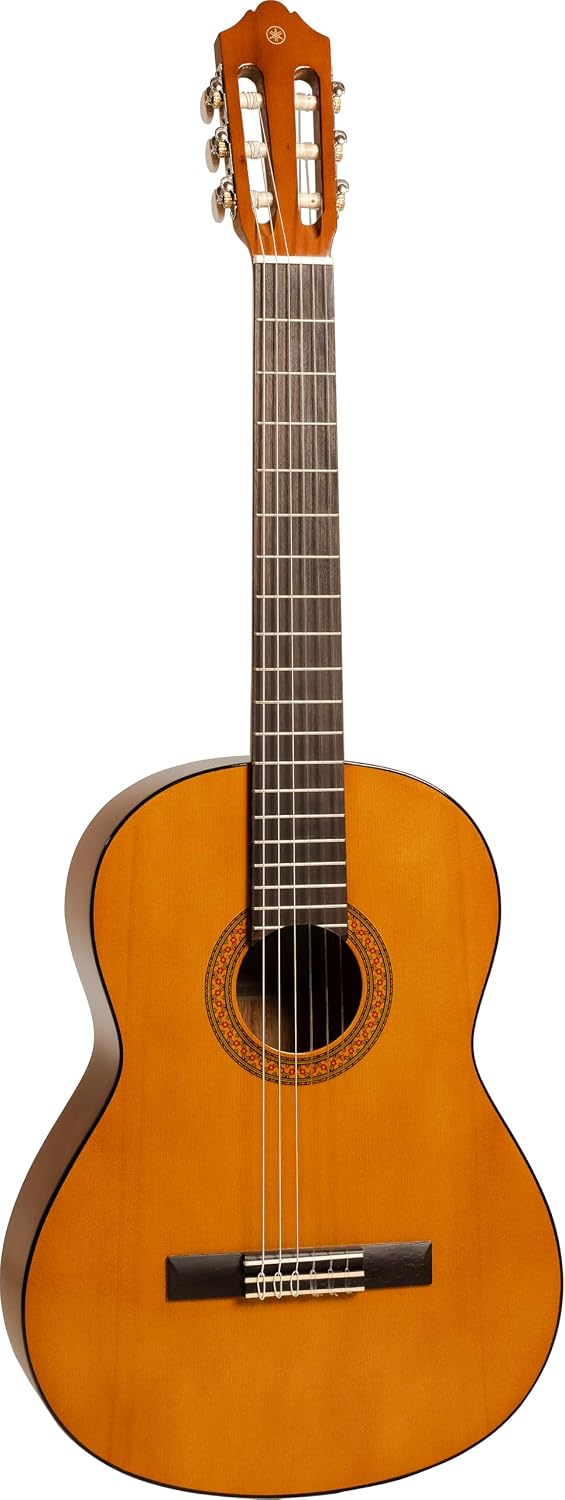
Quite possibly the best value in beginner guitars, full stop. The C40 has been the "default first classical guitar" recommendation from teachers worldwide for decades, and for good reason.
Yamaha FS800 Small-Body Acoustic — around $280–330 CAD (steel-string option)
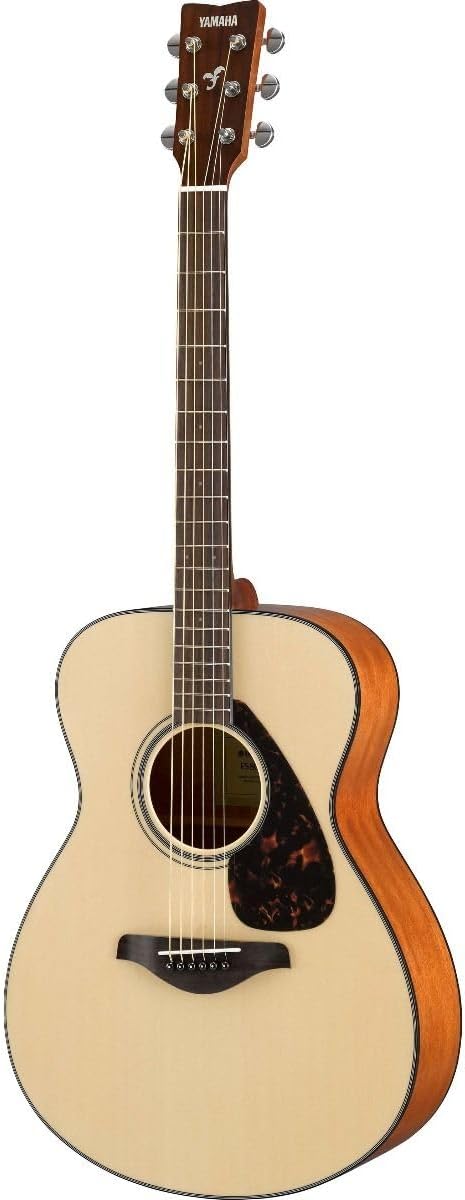
If your child specifically wants that bright folk/pop steel-string sound, the FS800's solid spruce top delivers it in a smaller, comfortable body. Fair warning from experience: steel strings hurt untrained fingers for the first few weeks. For most beginners, nylon first is still the smoother road.
Squier by Fender Electric Guitar Pack — around $350–400 CAD (the electric route)
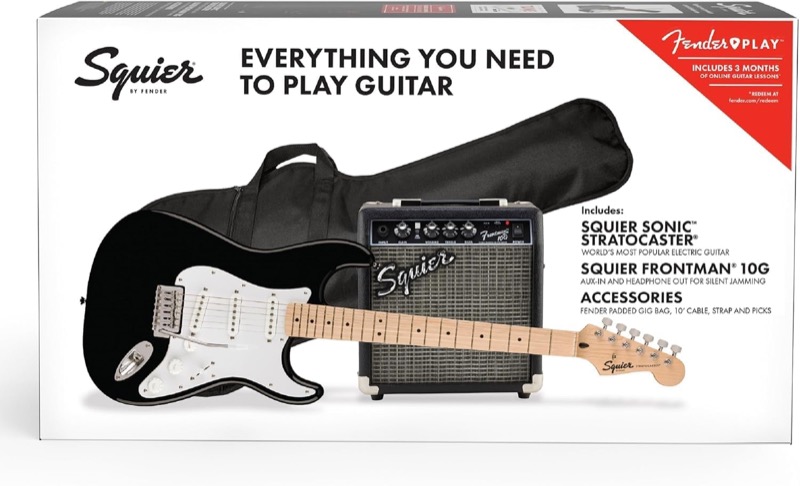
If it's electric or nothing — and for some kids, the spark is the electric guitar — this complete Squier pack includes the guitar, amp, cable, strap, and picks. Remember that electrics run small, so this can suit motivated kids before age 12.
Accessories worth adding
- D'Addario PW-CP-19 capo — fits any neck (even a ukulele); lets kids play more songs with fewer chords.
- Pick variety pack — thin, medium, and heavy picks to find what feels right (thin is easiest to start).
- An adjustable strap — for practising standing up, and for keeping smaller guitars steady while seated.
- A guitar notebook — blank tab and chord-diagram pages, the format most teachers use to write out homework.
Top Guitar teachers for kids in Canada



Frequently asked questions
What size guitar should I buy for a 7-year-old?
A 1/2-size classical, like the Yamaha CGS102A. If they're tall for their age or turning 8 soon, a 3/4 can work — but when in doubt, choose the smaller one.
Nylon or steel strings for a beginner?
Nylon. It's the difference between mild fingertip tenderness and genuinely sore fingers, and sore fingers are one of the top reasons kids quit in the first month. Steel can come with the second guitar.
Is a 3-string guitar like the Loog a real instrument?
Yes — its strings are tuned like the top three of a standard guitar, so chord shapes transfer directly. For ages 3–6 it often works better than a six-string, because small hands can actually succeed on it.
Should my child start on electric or acoustic?
Whichever one makes them want to play. Nylon-string classical is the easiest on fingers and my default advice — but a child who dreams of electric will practise more on a Squier than on a classical they didn't want.
Are cheap toy-store guitars okay to start on?
I'd avoid them. They rarely stay in tune and often can't play in tune at all, which trains a child's ear on wrong pitches and frustrates them. Entry-level Yamaha instruments cost only a little more and are real instruments.
Not sure which size fits your child? Musiprof's guitar teachers size students up all the time — ask us before you buy at musiprof.com.
Published on Musiprof