Buying Your First Clarinet: Student Models, Mouthpieces and Reeds
A Musiprof teacher's guide to first clarinets: the student models we trust, why the mouthpiece matters, synthetic vs cane reeds, and a Montreal used option.
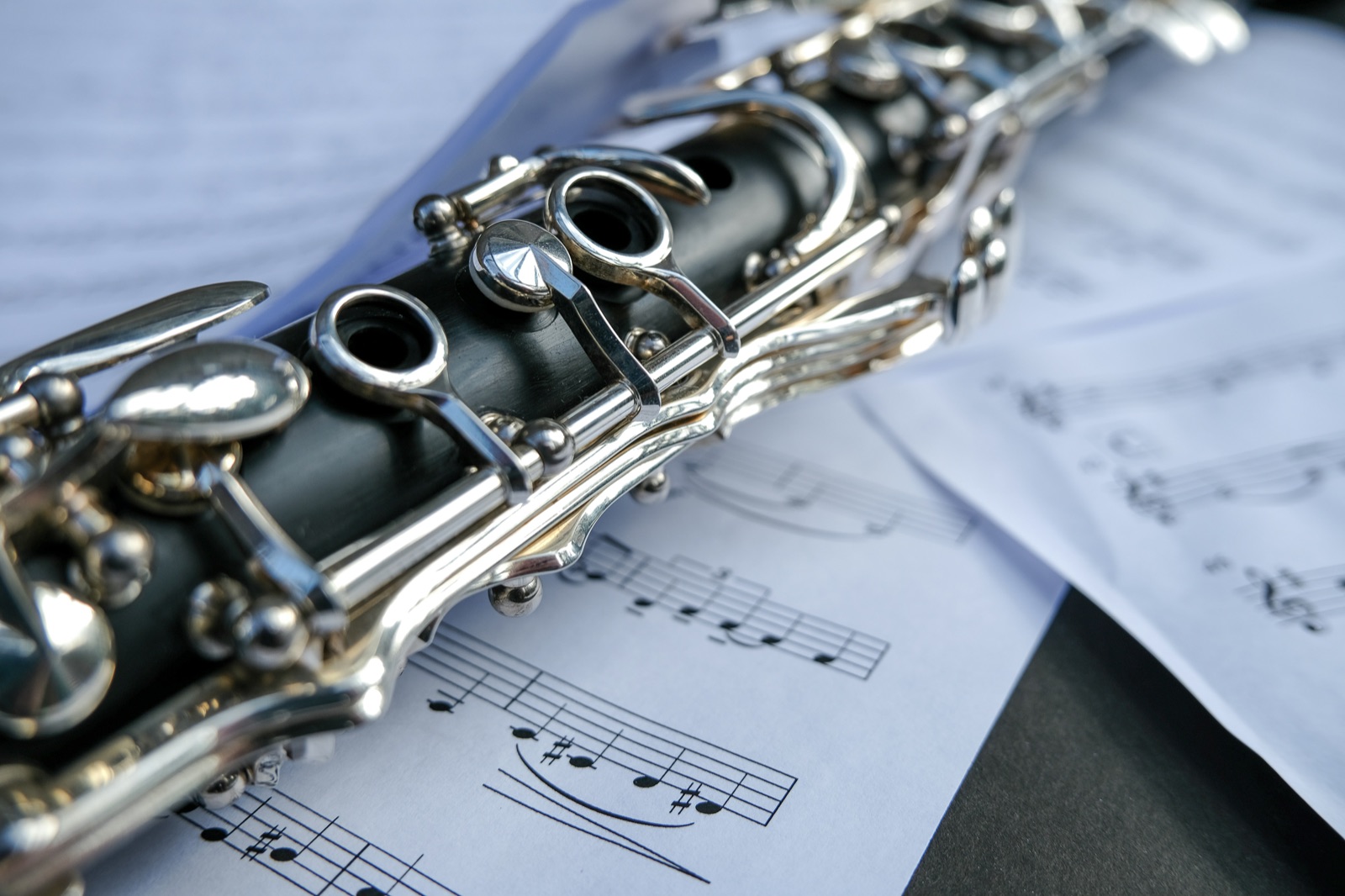
The clarinet is one of the best wind instruments to start on: it's affordable compared to a saxophone, light enough for young players, and it's the standard gateway into school bands, orchestras, and klezmer and jazz traditions alike.
It's also an instrument where a little buying knowledge goes a long way — because with clarinets, the mouthpiece and reed matter almost as much as the instrument itself. Here's what I tell new students and parents.
What to look for in a first clarinet
You want a Bb (B-flat) clarinet — that's the standard type all beginner methods and school bands use. At the student level, the body will be resin/plastic rather than wood, and that's a good thing: resin doesn't crack with Canadian temperature swings and needs far less babying.
The real quality differences hide in the keywork (does the mechanism feel precise or rattly?) and the tuning. That's why I steer beginners to a small number of proven models rather than the sea of $150 no-name clarinets online, which routinely fight the player with leaky pads and stiff keys.
Student models our teachers recommend
Yamaha YCL-255 — around $800–950 CAD

The default recommendation, and the clarinet you'll see everywhere from school bands to conservatory prep programs. Excellent build quality, comfortable keywork under small fingers, and strong projection. Like all Yamaha student instruments, it also holds resale value well. You can find it on Amazon.ca or at any Montreal wind shop.
Sinclair SCL2200 — around $300–350 CAD
The budget pick our teachers actually trust: honest sound quality, comfortable to play, and sturdy enough for a young student's daily commute to school. Sinclair is a Canadian-market student brand carried by local shops, so it's serviced locally too.
The used route — great value in Montreal
Clarinets are durable, and a technician-checked used student or intermediate clarinet is often the best value of all — there are usually several options under $500 CAD. The key is buying from a shop that services what it sells.
In Montreal, Twigg Musique, a trusted wind-instrument shop in business since 1958, maintains a rotating selection of used clarinets that their own technicians have reconditioned (page en français). Renting first is also an option at most wind shops if you're unsure about commitment.
The upgrade that costs the least: the mouthpiece
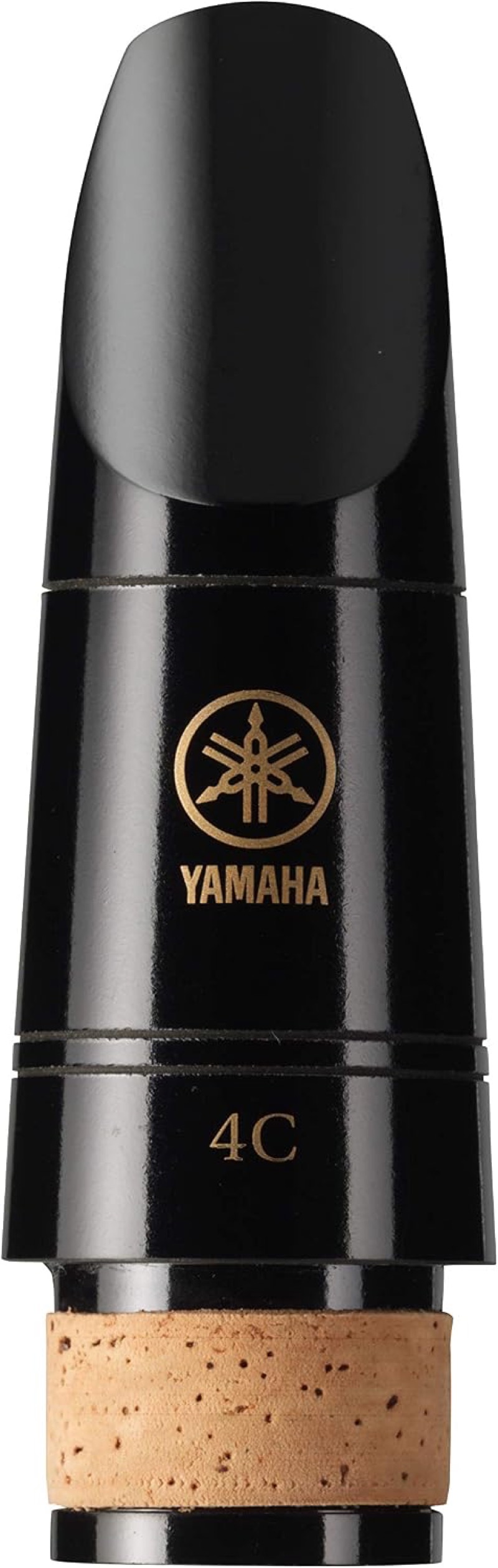
Here's the clarinet world's best-kept secret: a good mouthpiece improves a student clarinet more than anything else you can buy. The stock mouthpiece included with budget clarinets is often the weakest part of the package.
The standard recommendation is the Yamaha 4C mouthpiece (under $50 CAD, find it on Amazon.ca) — consistent, easy-blowing, and the mouthpiece countless teachers put on every student instrument that comes through their door.
Reeds: synthetic or cane?
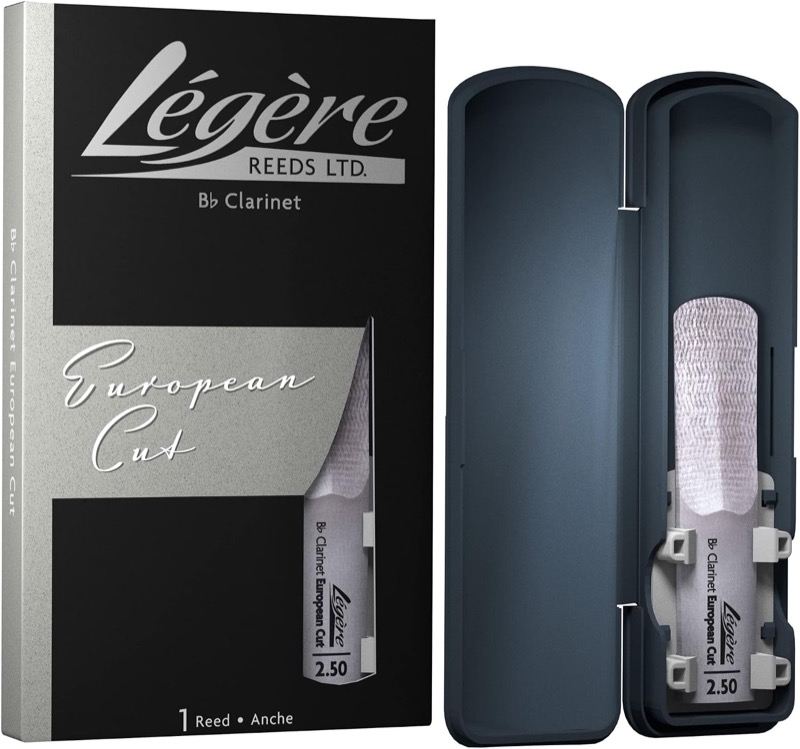
Every clarinet sound starts with a vibrating reed, and beginners destroy cane reeds at an impressive rate — they chip, warp, and die of moisture swings.
That's why I often start students on a Légère European Cut synthetic reed (around $35–45 CAD, find it on Amazon.ca). One synthetic reed plays consistently for months, needs no soaking, and always feels the same — which removes a whole variable while you're learning. Traditional cane reeds (a box of strength 2 or 2.5) are the classic alternative and cost less per reed; many players use both.
Top Clarinet teachers in Canada

Frequently asked questions
What age can a child start the clarinet?
Usually around 8–10, once their front adult teeth are in and their hands can cover the tone holes. Smaller or younger kids sometimes start on recorder first — the fingering logic transfers nicely.
Plastic or wooden clarinet for a beginner?
Plastic (resin), without hesitation. It's cheaper, lighter, and immune to the cracking that Canadian winters inflict on wood. Wooden clarinets are an intermediate/advanced upgrade.
Is a used clarinet okay for a beginner?
Yes — often the smartest buy — provided it's been checked by a technician (pads, corks, keywork). Shop-reconditioned instruments like Twigg's used stock are safe; untested classified-ad finds are a gamble.
What reed strength should a beginner use?
Strength 2 to 2.5, whether cane or synthetic. Softer reeds speak easily while the embouchure develops; your teacher will tell you when to move up.
How much should we budget in total?
Roughly $350–1,000 CAD depending on new vs used, plus about $50–100 for a good mouthpiece and reeds. A quality used clarinet plus a Yamaha 4C mouthpiece is the best value combination going.
If you'd like help choosing between a specific used instrument and a new one, Musiprof's clarinet teachers can weigh in before you buy — reach out at musiprof.com.
Published on Musiprof